

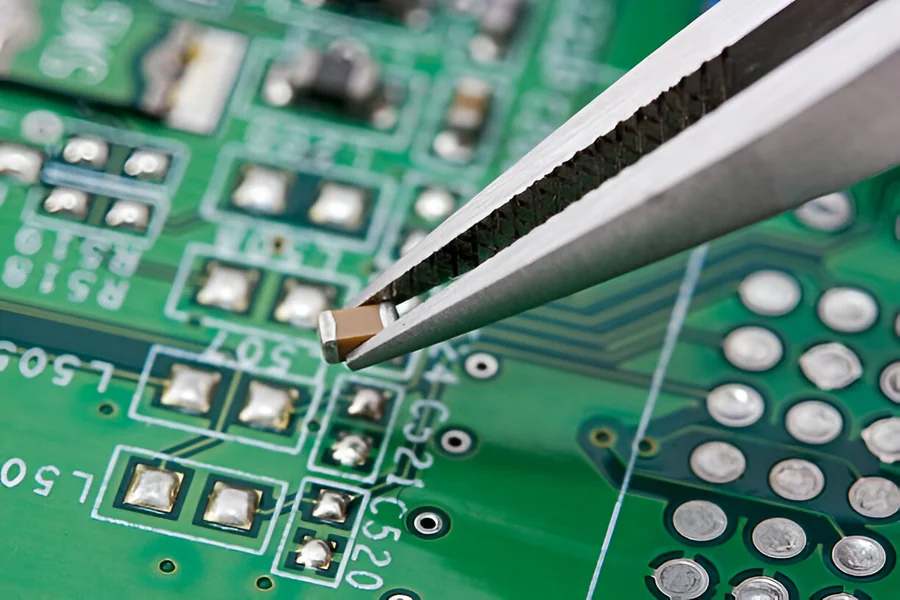
Box build assembly is a full-system integration process that goes beyond standard PCB assembly. It involves assembling not only the printed circuit boards but also all other components needed to create a finished, functional electronic product. These components may include cables, enclosures, connectors, wiring harnesses, power supplies, and user interfaces. Essentially, box build assembly transforms multiple subassemblies into one cohesive, ready-to-use unit — often called a “turnkey assembly.”
In industries like telecommunications, medical devices, automotive, and consumer electronics, box build assembly plays a critical role in turning a PCB into a complete, operational system. It provides manufacturers with a streamlined approach to producing high-quality, finished products while saving time, reducing costs, and improving efficiency.
The Box Build Assembly Process
The box build assembly process can vary depending on the complexity of the final product, but it typically includes several key steps:
- Mechanical Assembly
The process begins with the assembly of mechanical components such as metal or plastic enclosures, brackets, and subframes. These parts form the structure that holds all electronic elements securely in place.
- PCB Integration
The assembled and tested printed circuit boards (PCBs) are mounted within the enclosure. Technicians or automated systems connect them with other electronic components like displays, switches, sensors, and connectors according to the design specifications.
- Cable and Wire Harness Installation
Cables, wiring harnesses, and internal power connections are carefully routed to ensure signal integrity and electrical safety. Proper wire management is crucial for both performance and ease of maintenance.
- Firmware and Software Installation
If the device requires embedded software or firmware, it is programmed into the microcontroller or memory during this stage. This ensures the device operates correctly once powered on.
- System Testing and Quality Control
Comprehensive testing follows, including functional tests, continuity checks, and performance verification. Testing ensures that the complete box build assembly meets all electrical, mechanical, and environmental requirements before it leaves the production floor.
- Final Packaging and Shipping
Once testing is complete, the unit is labeled, packaged, and prepared for shipping. Depending on the customer’s specifications, packaging may include user manuals, accessories, or custom branding.
Advantages of Box Build Assembly
Box build assembly offers numerous advantages for manufacturers and product developers:
- Streamlined Production: By consolidating multiple assembly steps under one roof, production becomes faster and more efficient.
- Reduced Supply Chain Complexity: One partner handles everything — from PCB assembly to final packaging — simplifying coordination and logistics.
- Cost Efficiency: Integrated production reduces labor, transportation, and overhead costs.
- Higher Quality Control: Centralized assembly ensures better consistency and traceability throughout the production process.
- Customization: Every box build can be tailored to specific customer needs, from simple housings to complex multi-board systems.
- Faster Time-to-Market: Fewer production handoffs mean quicker delivery and faster deployment of products.
Applications of Box Build Assembly
Box build assembly is used across a wide range of industries and applications, including:
- Telecommunications: Enclosures for routers, signal amplifiers, and control modules.
- Medical Equipment: Diagnostic systems, imaging equipment, and patient monitoring devices.
- Industrial Automation: Motor controllers, power distribution units, and robotic control systems.
- Consumer Electronics: Smart home devices, entertainment systems, and wearable technology.
- Aerospace and Defense: Ruggedized control boxes and mission-critical electronic systems.
Each of these industries demands high precision, reliability, and durability — qualities that a professional box build assembly provider ensures through strict adherence to international standards and rigorous testing protocols.
Quality and Precision in Box Build Assembly
The success of box build assembly depends heavily on engineering precision and quality management. From 3D CAD modeling to electrical testing, every stage must be meticulously executed. Certifications such as ISO 9001, IPC-A-610, and UL compliance demonstrate that an assembly partner maintains the highest manufacturing standards.
Additionally, quality box build assembly providers use advanced manufacturing technologies like automated optical inspection (AOI), X-ray inspection, and in-circuit testing (ICT) to detect defects early and guarantee flawless operation.
Customization and Flexibility
One of the biggest strengths of box build assembly is its flexibility. Whether you need small-batch prototypes or high-volume production, a reliable partner can tailor the process to your specific project requirements. This flexibility includes custom enclosures, unique wiring layouts, branding elements, and even final product testing based on your application needs.
For companies focusing on product development, outsourcing box build assembly to an experienced electronics manufacturer allows them to concentrate on innovation and design while leaving the complexities of production and integration to professionals.
Final Thoughts: Partner with a Reliable PCB Assembly in China Provider
For businesses seeking high-quality, cost-effective, and fast box build assembly, collaborating with an expert PCB assembly in China provider is a smart choice. China’s advanced electronics manufacturing infrastructure, skilled engineers, and access to high-quality materials make it an ideal destination for complete system integration. A trusted partner will ensure every detail — from PCB population to final product testing — meets your performance standards. Whether you need prototypes or mass production, choosing the right partner guarantees precision, scalability, and reliability in every box build assembly project.
