

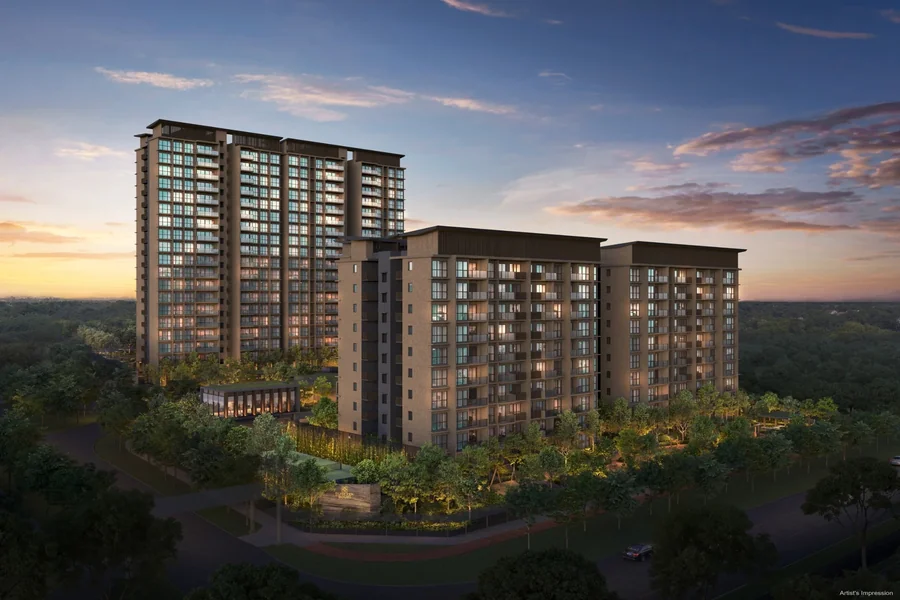
The River Opus Pursues Enduring Value Through Hospitality and Homes
In Singapore’s residential market, lasting appeal depends on more than an impressive launch. It rests on how well a development continues to serve residents, distinguish itself and remain relevant as lifestyles evolve. This is the perspective behind The River Opus, where the integration of hospitality and homes frames a longer-term value proposition. Rather than treating hospitality as a decorative flourish, the concept invites buyers to consider how a more thoughtfully managed living environment could support enduring residential appeal.
Located along River Valley Road, the new condominium is associated with Frasers Property’s redevelopment of the former Valley Point Shopping Centre en bloc site. Its positioning brings together an established residential setting and a hospitality-led approach to living. The opportunity lies not simply in creating a desirable address, but in shaping a place where comfort, service and residential identity can reinforce one another over time.
How The River Opus Connects Hospitality with Residential Value
The strongest argument for integrating hospitality and homes is practical rather than purely aspirational. Hospitality places emphasis on the experience of arriving, moving through shared spaces and receiving attentive assistance. Applied sensitively to a residential environment, these principles can make daily life feel more considered. Their value comes from consistency: the quiet assurance that a development remains welcoming and well cared for beyond its initial presentation.
For homeowners, this distinction matters because a property is experienced repeatedly, not just viewed once. The quality of common areas, clarity of access and responsiveness of management all contribute to how an address is perceived. A hospitality-led residential proposition seeks to elevate those everyday encounters. Whether that ambition translates into lasting value will depend on the final offering and, importantly, the standard of execution.
A River Valley Setting Gives the Concept Context
Location provides the foundation on which any integrated living proposition must stand. River Valley’s established residential character offers a relevant setting for a development seeking to combine urban living with a more composed home environment. Here, hospitality should complement the address rather than overshadow it, adding ease to residents’ routines while preserving the sense of retreat that makes a home distinct.
The redevelopment of the former Valley Point Shopping Centre site also creates an opportunity to reconsider how the address serves its surroundings. For The River Opus, the longer-term proposition is strongest when integration feels purposeful: homes that retain their residential character, supported by hospitality elements that contribute meaningfully to the overall experience. Novelty alone is unlikely to sustain that appeal.
Everyday Experience Matters More Than Launch Impressions
Premium property is often introduced through striking imagery and carefully staged spaces. Longer-term ownership, however, brings attention to less theatrical details. Residents notice whether shared environments remain comfortable, whether upkeep is dependable and whether the development feels as considered in everyday use as it did at first viewing. These qualities help determine whether an address continues to inspire confidence.
Consistency gives hospitality its residential relevance
In this context, hospitality is most persuasive when understood as an operating philosophy rather than a promise of constant indulgence. Thoughtful service and attentive management can reduce friction in daily life, but only when delivered sustainably. Buyers should therefore look beyond the language of luxury to understand which services are confirmed, how they will operate and what obligations accompany them.
Integration Must Protect the Privacy of Home
Bringing hospitality and residences together requires a careful balance. What makes a hotel engaging is not always what makes a home restful. Residents may appreciate a polished arrival experience while also expecting discretion, clear boundaries and control over their private environment. The success of an integrated concept depends on respecting both sets of expectations rather than assuming they are automatically aligned.
For purchasers considering The River Opus, this makes the eventual arrangements for access, circulation and shared spaces especially relevant. Clear distinctions between residential and hospitality functions can help preserve a sense of belonging. When integration supports convenience without compromising privacy, it offers a stronger basis for enduring appeal than a concept driven primarily by branding.
Longer-Term Appeal Depends on Sustainable Stewardship
A hospitality-led proposition also deserves a financial reading. Service standards and carefully maintained environments involve ongoing expenditure, making the relationship between benefits and ownership costs important. Buyers should assess confirmed maintenance arrangements and the scope of services alongside the purchase itself. Premium positioning carries greater substance when the experience remains coherent and supportable throughout ownership.
Similarly, potential leasing appeal should be considered with discipline. A well-managed residential environment may resonate with tenants who value convenience and consistency, but integration does not guarantee rental performance or capital appreciation. Market conditions, competing supply, individual home attributes and ownership costs remain relevant. The longer-term case is therefore one of potential differentiation, not assured investment outcomes.
A Value Proposition Built to Be Experienced Over Time
The River Opus presents a residential proposition centred on the relationship between hospitality and home. Its River Valley Road setting and redevelopment context provide the backdrop, while the more consequential question is how the integrated concept will translate into daily living. For discerning buyers, that means examining confirmed plans, service commitments and management arrangements with the same care given to the home itself.
Ultimately, longer-term value is earned through relevance and delivery. If hospitality contributes genuine ease, preserves privacy and supports a consistently well-maintained environment, it can become more than a marketing distinction. It can strengthen the reasons people choose to live at an address—and continue to value it long after the initial excitement has passed.
